
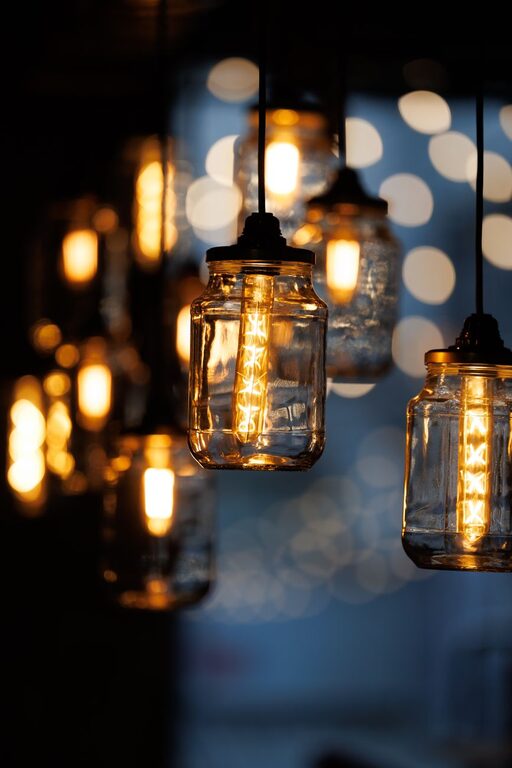
Creating comfortable home lighting is essential for setting the right mood, boosting productivity, and protecting your eyesight. Whether you’re reading, cooking, or relaxing, the right lighting can make a big difference in how your space feels and functions. In this post, we’ll explore simple tips to help you choose lighting that is both comfortable and stylish for your home.
Understanding the Basics of Comfortable Lighting
Good home lighting is about more than just brightness. It involves a combination of light intensity, color temperature, and placement. These factors work together to create an environment that is easy on the eyes and welcoming.
Light Intensity: Find the Right Brightness Level
Too bright or too dim lighting can cause discomfort and eye strain. Here’s how to find the right balance:
– Use adjustable lighting: Lamps or fixtures with dimmer switches offer flexibility to change brightness according to your activity.
– Consider the task: Different activities require different lighting levels. For example, reading and cooking need brighter light compared to watching TV or relaxing.
– Follow recommended lumens: For general areas, aim for about 1,500 to 3,000 lumens, adjusting as needed for room size and function.
Color Temperature: Warm vs. Cool Light
Color temperature is measured in Kelvins (K) and affects the mood of your room.
– Warm light (2700K to 3000K): Creates a cozy and relaxing atmosphere, ideal for bedrooms and living rooms.
– Neutral light (3500K to 4100K): Suitable for kitchens and workspaces where a balance between warmth and clarity is needed.
– Cool light (5000K and above): Mimics daylight, boosting focus and alertness, often used in offices or study areas.
Choosing the right color temperature can improve comfort and help your body’s natural rhythms.
Tips for Selecting Comfortable Home Lighting
1. Layer Your Lighting
Combining different light sources can make a room more dynamic and comfortable. Consider these three layers:
– Ambient lighting: The main source of light, usually ceiling fixtures or recessed lights.
– Task lighting: Focused light for specific activities such as reading lamps or under-cabinet kitchen lights.
– Accent lighting: Highlights artwork, plants, or architectural features to add depth and warmth.
Layered lighting lets you adjust the mood and functionality of a room with ease.
2. Choose Fixtures with Diffusers
Light diffusers soften harsh light and reduce glare. Lampshades, frosted glass, or fabric covers help scatter the light evenly, providing a gentle glow that’s easy on the eyes.
3. Pay Attention to Placement
Where you place your lights can impact comfort dramatically:
– Avoid placing lights directly above or behind screens to prevent glare.
– Use floor or table lamps beside seating areas for reading or relaxing.
– Place task lights close to work surfaces to improve visibility.
Experiment with angles and heights until you find the most comfortable setup.
4. Opt for Energy-Efficient Bulbs
Modern LED bulbs use less energy and offer a range of color temperatures and brightness levels. They also produce less heat, making them safer and more comfortable to use for extended periods.
5. Consider Smart Lighting Options
Smart bulbs and lighting systems allow you to control brightness and color temperature through apps or voice commands. This flexibility helps you create the perfect lighting scenario for any time of day or activity.
6. Think About Natural Light
Maximizing natural daylight reduces the need for artificial lighting and benefits your well-being.
– Use sheer curtains to soften sunlight without blocking it.
– Position mirrors to reflect natural light deeper into rooms.
– Arrange furniture to make the most of window light during the day.
Balancing natural and artificial light creates a harmonious and comfortable environment.
Room-Specific Lighting Tips
Living Room
– Use warm ambient lighting to create a cozy atmosphere.
– Add task lighting near seating for reading or hobbies.
– Incorporate accent lights to showcase decor or artwork.
Kitchen
– Install bright, neutral overhead lighting to ensure good visibility.
– Use under-cabinet lights to illuminate countertops.
– Consider adjustable task lights near cooking and prep areas.
Bedroom
– Choose warm, soft lighting to promote relaxation.
– Use bedside lamps with adjustable brightness.
– Avoid harsh ceiling lights that can disrupt sleep patterns.
Home Office
– Opt for bright, cool light to boost focus.
– Place task lights to reduce shadows on your workspace.
– Minimize glare on screens by adjusting light placement.
Final Thoughts
Choosing comfortable home lighting involves a balance of light intensity, color, placement, and style. By layering your lights, selecting the right bulbs, and considering natural light, you can create inviting spaces that meet your needs. Remember that comfort is personal, so don’t hesitate to experiment with different combinations until you find what works best for you and your home.
Good lighting not only improves the look of your home but also enhances your daily life—helping you see better, feel relaxed, and enjoy your space to the fullest.